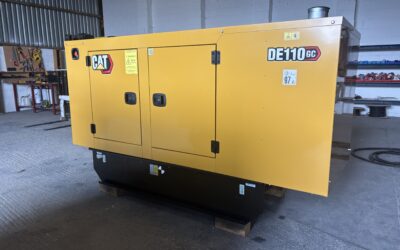
Generator Canopy Designs Explained: What Buyers Should Look For
Generator canopies do far more than keep the rain off. This practical guide explains noise control, airflow, corrosion protection, lifting, service access and the difference between standard, silent, super-silent and containerised generator enclosures.
Contents
- What Is a Diesel Generator Canopy?
- The Main Types of Generator Enclosure
- Why Generator Noise Figures Matter
- Canopy Construction: Why the Steelwork Matters
- Lifting Points, Forklift Pockets and Transport
- Weather Protection, Water Ingress and Dust
- Paint Finish and Corrosion Protection
- Internal Silencers and Exhaust Protection
- Anti-Vibration Mounts and Internal Support
- Service Access
- How Engine Choice Changes the Canopy Footprint
- Control Panels and Electrical Access
- Bespoke Acoustic and Super-Silent Solutions
- Canopy Design and Resale Value
- Generator Canopy Buying Checklist
- Frequently Asked Questions
What Is a Diesel Generator Canopy?
A diesel generator canopy is the enclosure built around the engine, alternator and control equipment. Depending on where you are in the world, it may be described as a silent canopy, acoustic canopy, soundproof enclosure, weatherproof enclosure, super-silent canopy or simply an enclosed generator.
The wording varies, but the purpose is broadly the same: protect the generator from the environment and protect the surrounding environment from the generator.
A properly designed canopy should help shield the engine, alternator and electrical equipment from rain, dust and general site conditions. At the same time, it should reduce operating noise and help contain fluids such as diesel, engine oil and coolant if a leak occurs.
That is why canopy design should never be treated as a cosmetic extra. It forms part of the structure, cooling system, acoustic performance, serviceability and long-term durability of the complete generator set.
The Main Types of Generator Enclosure
Most generator manufacturers offer enclosed sets across a large part of their range. Small canopied generators may start at around 5 or 6kVA, while standard acoustic enclosures can extend to several hundred kVA and, with some manufacturers, close to 1000kVA.
Once sets become larger, containerised generators often become the more practical option. A container provides additional room for airflow, silencers, fuel systems, controls and sound attenuation. It can also make worldwide shipping easier where a compliant shipping container and CSC plating are used.
Open-Type Generators
An open generator has no weatherproof acoustic enclosure around the engine and alternator. Open sets are usually installed inside a purpose-built plant room or another protected location where ventilation, noise and access have been designed around the generator.
Weatherproof or Enclosed Generators
A weatherproof canopy provides protection from normal outdoor conditions. It may reduce some noise, but it should not automatically be assumed to be a low-noise design. Buyers should always check the published sound level and measurement distance.
Silent and Acoustic Generators
Silent and acoustic generators use sound-attenuated enclosures designed to reduce engine, exhaust, fan and mechanical noise. The final result depends on much more than the thickness of the insulation. Airflow paths, radiator design, exhaust routing, door seals, anti-vibration mounts and the quality of the silencer all influence the measured sound level.
Super-Silent Generators
Super-silent generators are intended for applications where a standard acoustic canopy is still too loud. They may use larger enclosures, additional attenuation, upgraded silencers, slower airflow paths or purpose-built acoustic compartments.
We have supplied bespoke super-silent solutions where the required noise target could not be achieved by a normal off-the-shelf canopy. These projects are usually physically tested, with changes made where needed, rather than relying only on calculated data.
Containerised Generators
Containerised generator systems are usually selected for larger power outputs, export projects, restricted noise requirements or bespoke installations. A 10ft, 20ft or 40ft container can also house additional equipment such as bulk fuel systems, distribution, switchgear, battery storage or hybrid power equipment.
Containers are flexible and robust, but they are normally more expensive than a standard canopy because the structure, ventilation and acoustic treatment have to be designed around the complete system.


Why Generator Noise Figures Matter
Noise is one of the biggest reasons customers choose one canopy over another. This is particularly important in the UK and Europe, where generators may operate close to homes, offices, farms, events, construction projects or occupied commercial buildings.
The first thing to check is the measurement distance. A sound level quoted at 7 metres cannot be compared directly with a figure measured at 1 metre. The operating load and test conditions also matter, so figures should be compared on a like-for-like basis wherever possible.
A difference of only 2 or 3 dBA may look small on paper, but it represents a meaningful change in sound energy and can be noticeable on site. A generator operating in the mid-60s dBA at 7 metres will normally create a very different working environment from a set operating in the mid-70s at the same distance and under comparable conditions.
Many standard Ferbo and Caterpillar acoustic sets we work with sit around the mid-60s dBA at 7 metres, depending on model and specification. Ferbo options can range from approximately 60 to 69 dBA at 7 metres, while bespoke super-silent packages can go lower where the project requires it.
The Engine Also Affects Noise
The canopy is only one part of acoustic performance. Engine combustion, fan speed, radiator size, exhaust design and mounting all contribute to the final result.
In our experience, engine choice can make a genuine difference. Brands such as FPT Iveco, Perkins, Scania, Volvo and selected other premium industrial engines can be very refined, while the complete result still depends on how the generator manufacturer integrates the engine into the enclosure.

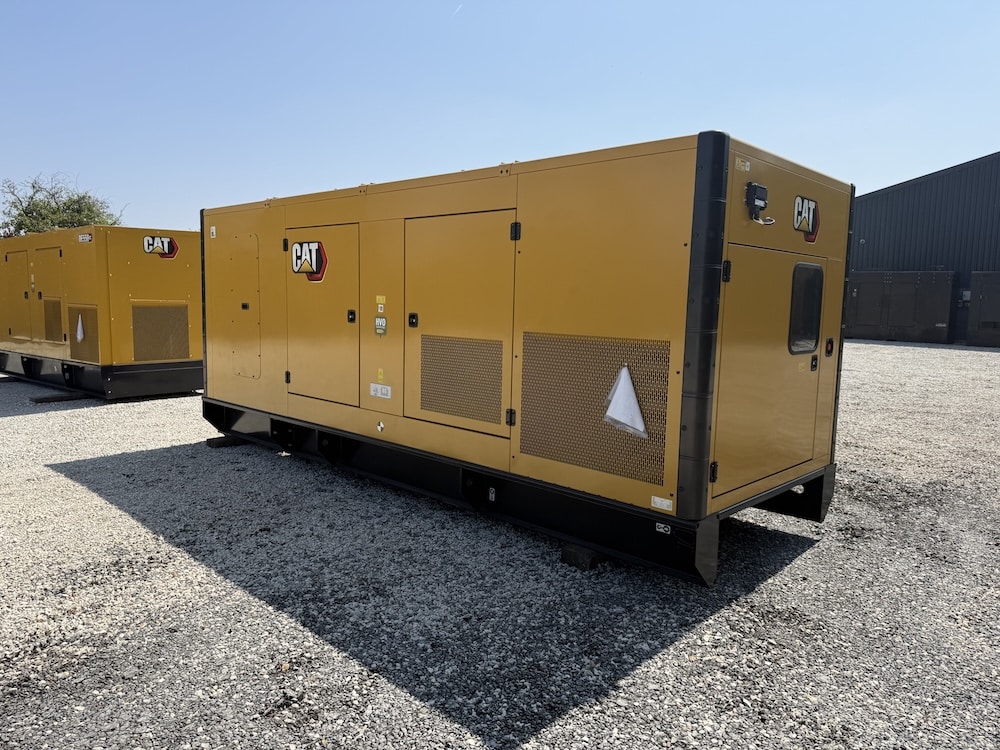
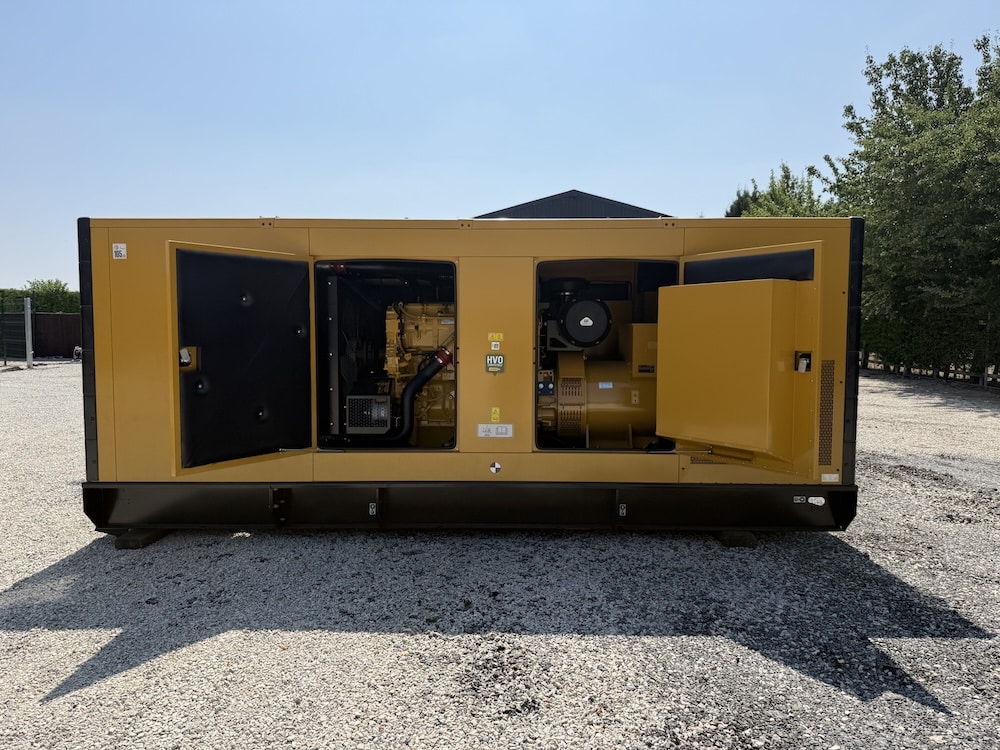
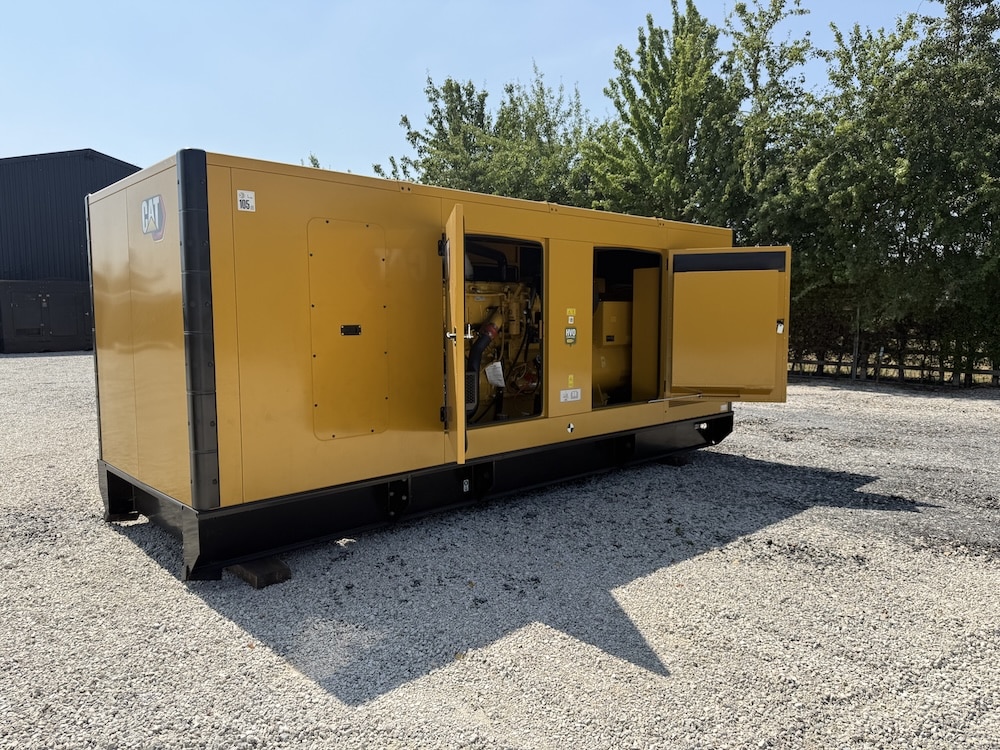
Canopy Construction: Why the Steelwork Matters
The base frame and canopy provide the foundations for the complete generator. A strong structure helps maintain alignment, reduces movement during transport and gives the enclosure a better chance of surviving years of outdoor use.
A canopy can look substantial from the outside but still rely on multiple thin removable panels and fixings. Removable panels can be useful when repairing damage, but every additional joint, bolt and seam is another potential route for vibration, noise or water ingress if the design and sealing are poor.
Fully welded structures can provide greater rigidity and help reduce panel vibration. Ferbo and Caterpillar use robust construction approaches across the models we supply, although the exact design differs between ranges.
The Importance of a Strong Base Frame
The base is particularly important for rental, construction and mobile applications. A weak base can twist during lifting or transport, place stress on the canopy and contribute to vibration.
Ferbo offers different base designs depending on the application. Standard fully welded bases suit many industrial and construction uses, while heavier rental-style bases can include additional reinforcement and dedicated forklift pockets.
Caterpillar GC and E-series generators also use strong base structures, with lifting arrangements varying by model. The key point is to confirm how the set will be moved before purchase, rather than discovering on delivery that the required lifting or forklift arrangement is not available.
Lifting Points, Forklift Pockets and Transport
One of the most overlooked buying questions is simple: how will the generator be unloaded, moved and positioned?
Some generators have a central lifting point, some use four lifting points, and others must be lifted from the base. Smaller rental generators may also have forklift pockets, while larger sets often require approved lifting beams and four-point lifting.
Ferbo models commonly provide practical lifting arrangements, with central lifting on many smaller and medium sets and four-point lifting on larger machines. Dedicated forklift pockets are available on selected heavy-duty bases.
This flexibility is valuable for farms, fairgrounds, construction companies and hire fleets, where the generator may be moved regularly or mounted onto a road trailer.
Weather Protection, Water Ingress and Dust
A canopy must allow large volumes of cooling air to pass through it, but it also needs to resist rain and airborne debris. Good louvre design is therefore a balance between airflow, weather protection and noise attenuation.
Features such as rain lips above doors, sealed viewing windows, rubber door gaskets, sloped roof sections and drainage points can all help manage water. Ferbo canopy louvres are designed to reduce direct water ingress and act as a basic dust trap, while drainage routes allow any small amount of water that enters the air path to escape.
Caterpillar canopy designs use similar principles, with roof and louvre geometry intended to move water away from the enclosure and protect the internal components.
No outdoor enclosure should be treated as maintenance-free. Door seals, drainage points and air inlets should be inspected and cleaned, particularly on dusty agricultural, quarrying or construction sites.
Paint Finish and Corrosion Protection
Paint is often overlooked when customers compare generators, but corrosion can have a major effect on appearance, resale value and service life.
The paint system matters just as much as the visible colour. Surface preparation, galvanised components, coating thickness and the corrosion category all influence how the enclosure performs outdoors.
Selected Ferbo generators are supplied with C4H or higher corrosion-protection finishes, depending on specification. Caterpillar enclosures also use durable finishing systems, including galvanised and powder-coated components on relevant models. See Ferbo’s impressive powder coating booth here.
For generators used near the coast, on farms, in industrial areas or within hire fleets, a better paint system can help the set remain presentable after years of service. That matters not only for ownership costs, but also when the generator is eventually sold or exported.
Internal Silencers and Exhaust Protection
The position of the exhaust silencer is another useful indicator of canopy design. On a well-integrated acoustic generator, the silencer is normally protected inside the enclosure or within a dedicated compartment.
External silencers can be exposed to weather, create a hot surface at roof level and suffer more visible corrosion. An internal system protects the silencer, improves the overall appearance and can make it easier to control exhaust noise.
The silencer alone does not determine the total sound level, but it plays an important role alongside the engine, airflow and canopy attenuation.
Anti-Vibration Mounts and Internal Support
Inside the canopy, the engine and alternator should be mounted onto strong crossmembers using suitable anti-vibration mounts. These mounts help isolate engine movement from the base and canopy.
Good anti-vibration mounting can reduce transmitted noise, protect components and improve long-term reliability. When inspecting a generator, it is worth looking beyond the exterior panels and checking the strength of the internal structure supporting the main drive train.


Service Access: Compact Does Not Have to Mean Difficult
Generator footprints vary considerably between manufacturers and engine brands. A compact set is useful where access is restricted, but it still needs to be serviceable.
One reason we like the Ferbo range is that many models have a compact footprint without making routine maintenance unnecessarily difficult. Filters, filling points and service items remain accessible through the canopy doors, and selected specifications include features such as manual oil drain pumps.
Compact Ferbo sets can work particularly well in UK and European installations where older buildings, narrow access routes and limited plant areas make space a genuine concern.
Caterpillar sets often use a more spacious layout, which can be beneficial for long-running industrial applications where technicians need additional working room. Neither approach is automatically right or wrong; the choice depends on the site, duty and maintenance requirements.
How Engine Choice Changes the Canopy Footprint
The same power output does not always mean the same physical size. Different engines have different lengths, cooling requirements and service-clearance needs.
For example, compact Perkins-powered FE110-P 100kVA Ferbo models can fit into relatively short enclosures at common power nodes, making them suitable for trucks, trailers, fairground applications and farms. Yanmar and some other engine options may require the next canopy size up at the same output. For exmaple our FE44-Y Yanmar Prime Advanced Diesel generator fits into a close nit canopy.
Yanmar-powered sets at smaller outputs can also be very compact, including lift-up canopy designs on selected single-phase models.
This is why available space should be discussed at the start of the project. Fuel consumption, brand preference and purchase price are important, but the generator still has to pass through the available access and fit safely into its final position.


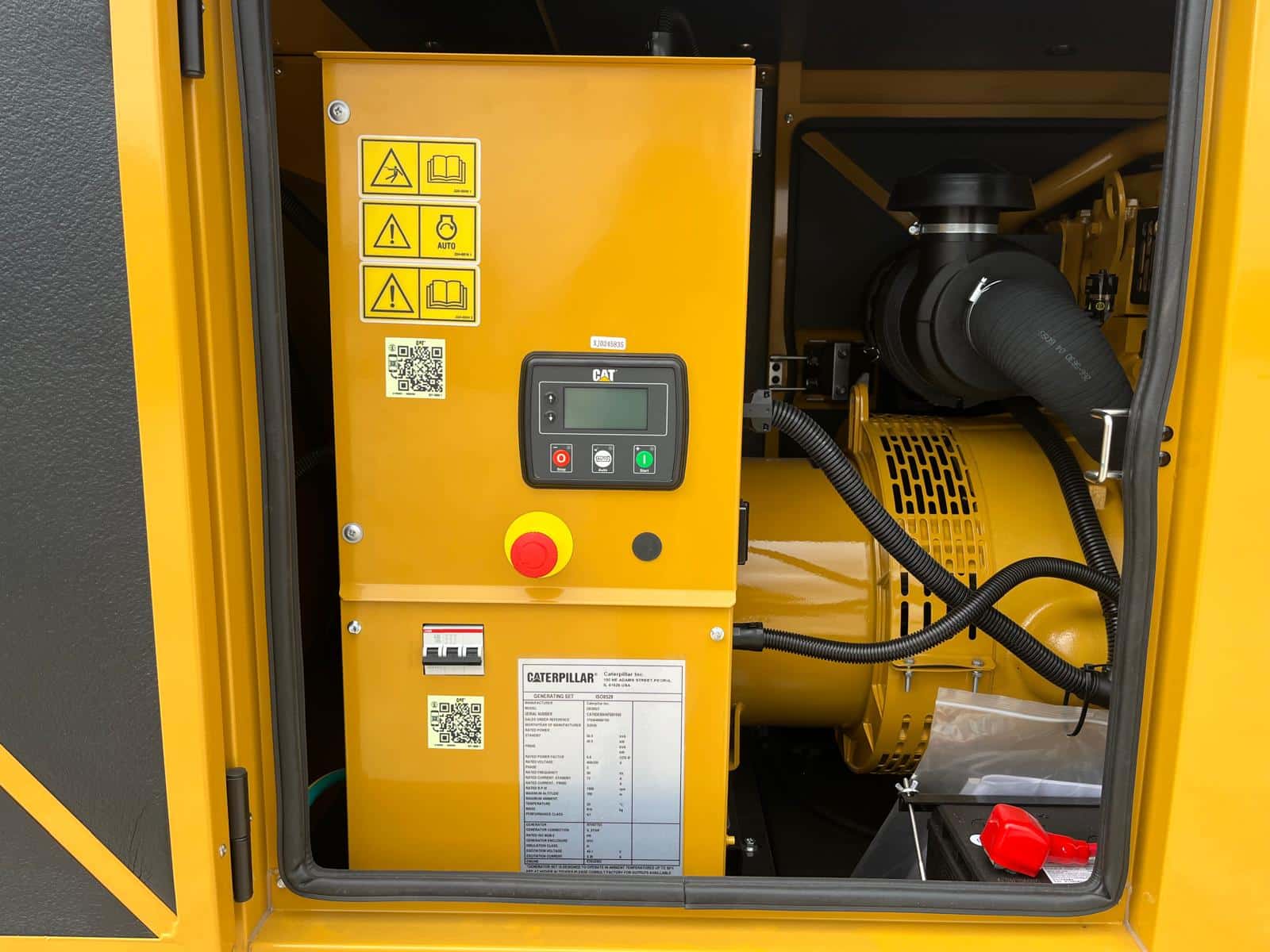

Control Panels, Viewing Windows and Electrical Access
Most enclosed generators use lockable access doors. Many Ferbo models and Caterpillar E-series sets include a viewing window so the controller and alarm status can be checked without opening the door.
Other designs, including selected Caterpillar GC models, require the access door to be opened to view the controller. That is not necessarily a problem, and it can produce a very clean external appearance, but it is worth understanding before purchase.
Emergency stop buttons should remain accessible from outside the enclosure. Coolant filling points should also be positioned so routine checks can be completed safely.
Electrical breakers and cable termination areas are normally separated from the engine compartment. Ferbo can also provide protected socket arrangements on models up to relevant power ratings, allowing the cable to pass through the designated outlet while the socket compartment remains closed and lockable.
Standard Canopies Versus Bespoke Acoustic Solutions
A good off-the-shelf acoustic canopy is suitable for most applications, but some projects need something more specialist.
We recently supported an order for seven 500kVA Scania-powered containerised sets for a well-known food manufacturer. The project required approximately 60 dBA container solutions, so the enclosures had to be designed, built and physically tested around the application.
Where a specific acoustic target is critical, the design should be verified rather than assumed. Airflow restrictions, exhaust performance and heat rejection must still be checked while reducing noise.
Bespoke super-silent canopies and containers cost more than standard products, but they can be the right solution where planning requirements, nearby residents or site conditions leave little room for compromise.
Canopy Design and Resale Value
Many rental companies operate generators for around five years before selling them through auction, dealer networks or export specialists. The condition of the canopy has a major influence on how that machine presents to the next buyer.
Recognised brands, durable paint systems, straight panels, secure doors and a strong base can all support resale value. A generator may have low engine hours, but if the canopy is badly corroded, damaged or difficult to move, it can still be much harder to sell.
This is one reason we favour premium Ferbo and Caterpillar products. The engine and alternator matter, but the enclosure also needs to remain strong, presentable and serviceable throughout the generator’s working life.
Generator Canopy Buying Checklist
- Is the published noise figure measured at 1 metre or 7 metres?
- At what electrical load was the noise level recorded?
- Is the canopy weatherproof, acoustic or genuinely super-silent?
- Does the base include containment for fuel, oil and coolant?
- What corrosion-protection or paint specification is used?
- How will the generator be lifted, unloaded and moved?
- Are forklift pockets included where required?
- Can routine filters and service points be reached easily?
- Is the exhaust silencer protected inside the enclosure?
- Are the controller, emergency stop and breaker easy to access?
- Will the generator physically fit through the available access route?
- Has a bespoke acoustic package been physically tested?
Final Thoughts
A generator canopy does far more than make a diesel generator look tidy. It protects the main components, controls noise, manages cooling airflow, supports lifting and transport, helps contain fluids and influences long-term resale value.
When we advise a customer, we look at the complete application: required power, noise target, available space, transport method, operating duty and expected ownership period. That is the only reliable way to choose between a compact canopy, a larger industrial enclosure, a rental-style base or a bespoke containerised solution.
The cheapest enclosure is not always the lowest-cost option over the life of the generator. A well-built canopy with proper corrosion protection, strong lifting arrangements and good service access can reduce damage, simplify maintenance and help the generator hold its value.
Frequently Asked Questions
What is the difference between a silent and super-silent generator?
There is no single universal marketing definition. A silent generator normally uses an acoustic enclosure, while a super-silent model generally uses additional attenuation or a larger purpose-built canopy to achieve a lower sound level. Always compare the actual dBA figure, measurement distance and test conditions.
Are all generator noise figures measured in the same way?
No. Figures may be quoted at different distances and loads. A figure at 1 metre should not be compared directly with one at 7 metres. Ask for the test conditions and compare like for like.
Is a heavier generator canopy always better?
Not automatically. Strong steelwork can improve rigidity, but design, sealing, airflow and corrosion protection are equally important. A heavy canopy with poor cooling or weak paint protection can still perform badly.
Why are forklift pockets important?
They allow suitable generators to be moved more safely with a forklift and can reduce the risk of damaging the base. They are especially useful for hire fleets, construction and mobile applications.
When should I choose a containerised generator?
Containerised sets are useful for larger outputs, international shipping, bespoke acoustic targets or systems that include additional fuel, switchgear or hybrid equipment. They normally cost more and require more space than standard canopied sets.
Can a standard generator be upgraded to super-silent?
Sometimes. The practical options depend on the original canopy, cooling requirement and target sound level. In many cases, a purpose-designed enclosure or container is the better solution.
Related Generator Guides
- Ferbo generators
- The Scale Behind Ferbo Generators
- Ferbo Prime Advanced generators
- Why choose Ferbo generators
- Contact Target Power Generators